Showing posts with label VI. Advanced Arduino Projects. Show all posts

Thursday, May 11, 2023

Introduction to the different sensors and actuators that can be used with Arduino

Arduino boards can interface with a wide range of sensors and actuators, making it a versatile tool for creating interactive projects. Sensors are devices that detect changes in the environment and convert them into electrical signals, while actuators are devices that convert electrical signals into physical actions. Here are some examples of sensors and actuators that can be used with Arduino:

1. Light sensors: Photoresistors or photodiodes can be used to detect changes in light levels.


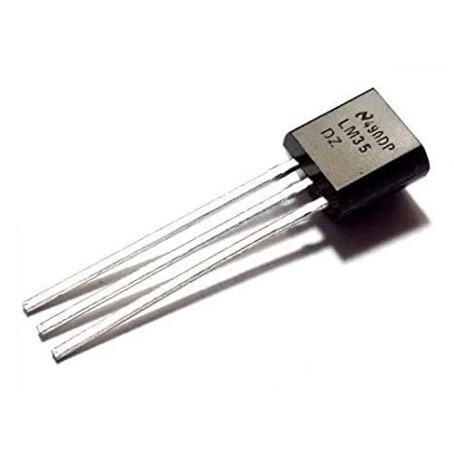
2. Temperature sensors: Thermistors or temperature sensors such as the DS18B20 can be used to detect changes in temperature.
3. Motion sensors: PIR sensors or ultrasonic sensors can be used to detect motion.


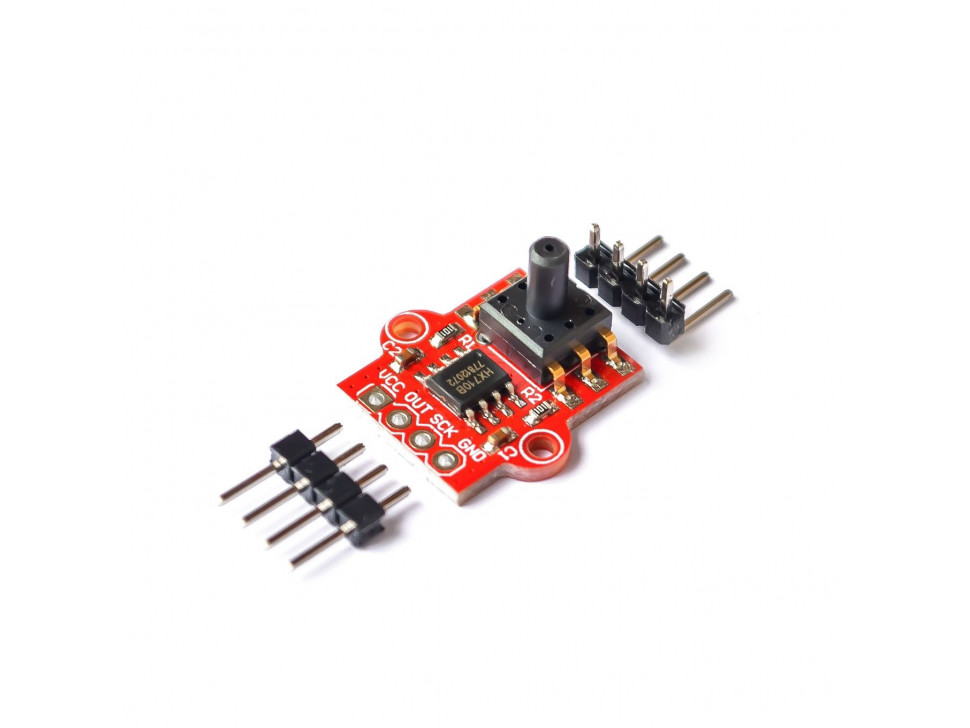
4. Pressure sensors: Barometric sensors or force sensors can be used to detect changes in pressure.
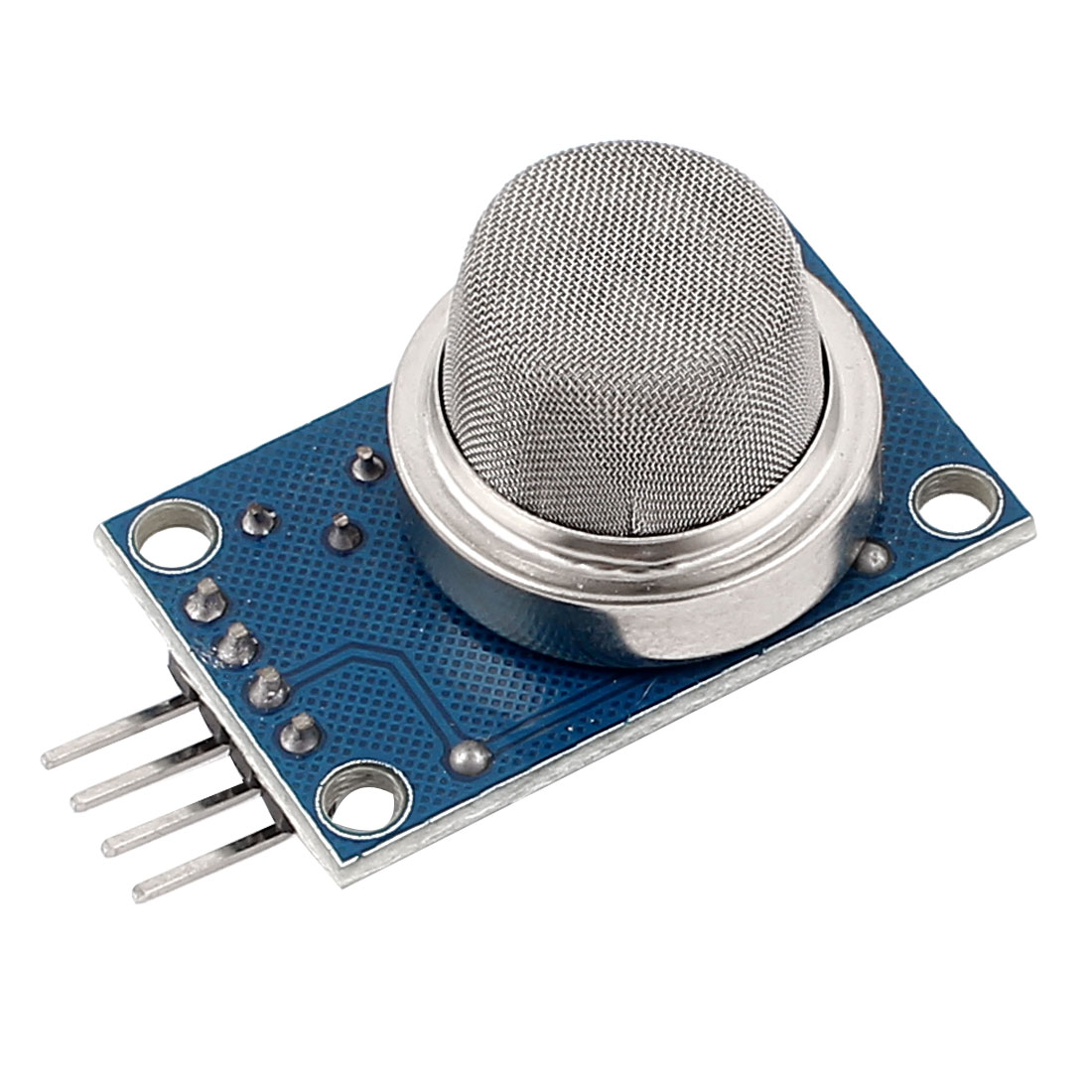
5. Gas sensors: Gas sensors can be used to detect the presence of specific gases in the environment.


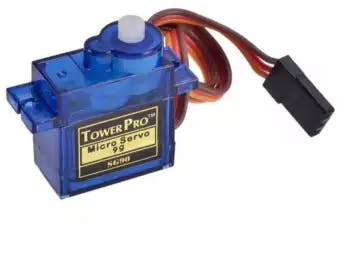
6. Servo motors: These are small motors that can be used to control the movement of objects.
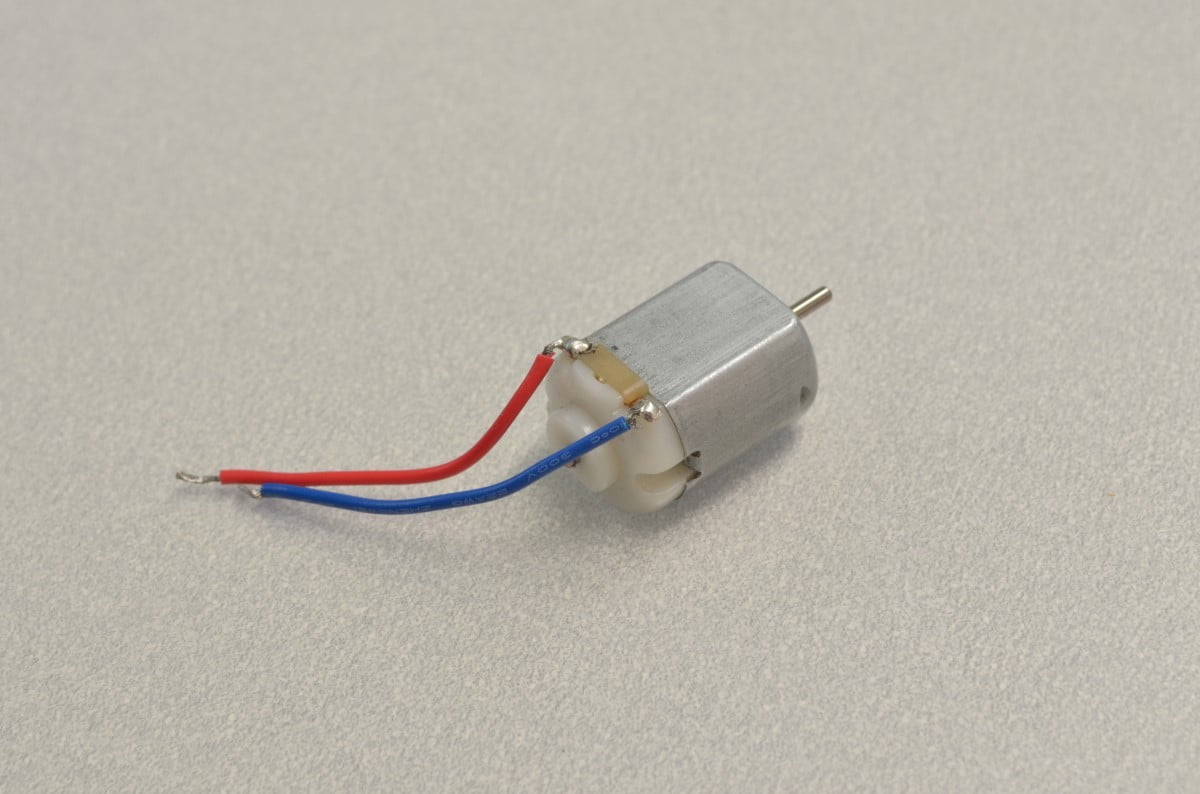
7. DC motors: These motors can be used to create movement in a specific direction.


8. Stepper motors: These motors can be used for precise control of movement, such as in robotic arms.


9. LED displays: These displays can be used to display text or graphics.


10. LCD displays: These displays can be used to display text, graphics, or sensor data.


By combining these sensors and actuators, complex projects such as home automation systems, weather stations, or even robots can be built using Arduino. There are a variety of resources available online, such as tutorials, forums, and project ideas, to help beginners get started with using sensors and actuators with Arduino. 


Resources for finding inspiration and project ideas

There are many resources available for finding inspiration and project ideas for Arduino. Here are a few suggestions:

1. Arduino Project Hub: This is an official website maintained by Arduino that features a wide range of projects submitted by users. You can search by category, difficulty level, or specific components.

2. Instructables: This is a website that features user-created tutorials for a variety of projects, including many Arduino projects. You can search by category or keyword to find specific projects.

3. Hackster: This is a website that features projects created by makers and developers using a variety of hardware platforms, including Arduino. You can search by category, difficulty level, or specific components.

4. YouTube: There are many YouTube channels that feature tutorials and project ideas for Arduino. Some popular channels include "GreatScott!", "The Arduino Guy", and "Jeremy Blum".

5. Arduino forums: There are many online forums dedicated to Arduino, where users can share their projects, ask for help, and get inspiration from others.

By exploring these resources, you can find a wealth of project ideas and inspiration for your own Arduino projects.

 More complex Arduino projects can accomplish a wide range of tasks, from automating home appliances to creating interactive art installations. Some examples include:

1. Home automation: Arduino can be used to control lighting systems, air conditioning, and other home appliances. You can program the Arduino to turn on the lights when you enter a room, adjust the temperature based on your preferences, or even set up a smart irrigation system for your garden.

2. Robotics: Arduino is a popular platform for building robots. With the right components and programming, you can create a robot that can navigate, detect obstacles, and perform a variety of tasks.

3. Data logging: Arduino can be used to collect data from sensors and other devices and store it on an SD card or transmit it wirelessly to a computer. This is useful for monitoring environmental conditions, tracking vehicle performance, or analyzing the behavior of industrial machinery.

4. Wearables: Arduino can be used to create wearable technology, such as fitness trackers, smart watches, and even clothing that lights up or changes color in response to external stimuli.

5. Music and sound: Arduino can be used to create musical instruments, sound installations, and other audio-related projects. You can use it to control synthesizers, create MIDI interfaces, or build your own electronic drum kit.

These are just a few examples of the many complex Arduino projects that can be accomplished with some creativity and know-how. The possibilities are virtually endless, and the only limit is your imagination.

Where to buy?

Introducing latest project powered by Arduino! Looking to bring your creative ideas to life? With our Arduino products, the possibilities ar...